If Your Car is Vibrating... The Cause Might Be Simpler Than You Think
Nothing alarms a driver more than feeling a sudden vibration while driving. The shaking might start in the steering wheel or spread to the floor and seats, making you assume there is a major failure in the engine or transmission.
However, the good news is that in many cases, the causes of car vibrations are quite simple and can be fixed at a reasonable cost if diagnosed early. Therefore, before committing to expensive repairs, here are the most common reasons behind this issue.
1. Unbalanced Tires
If you notice that the vibration appears at a certain speed, such as 80 to 100 km/h, and then disappears when you speed up or slow down, the likely cause is unbalanced tires.
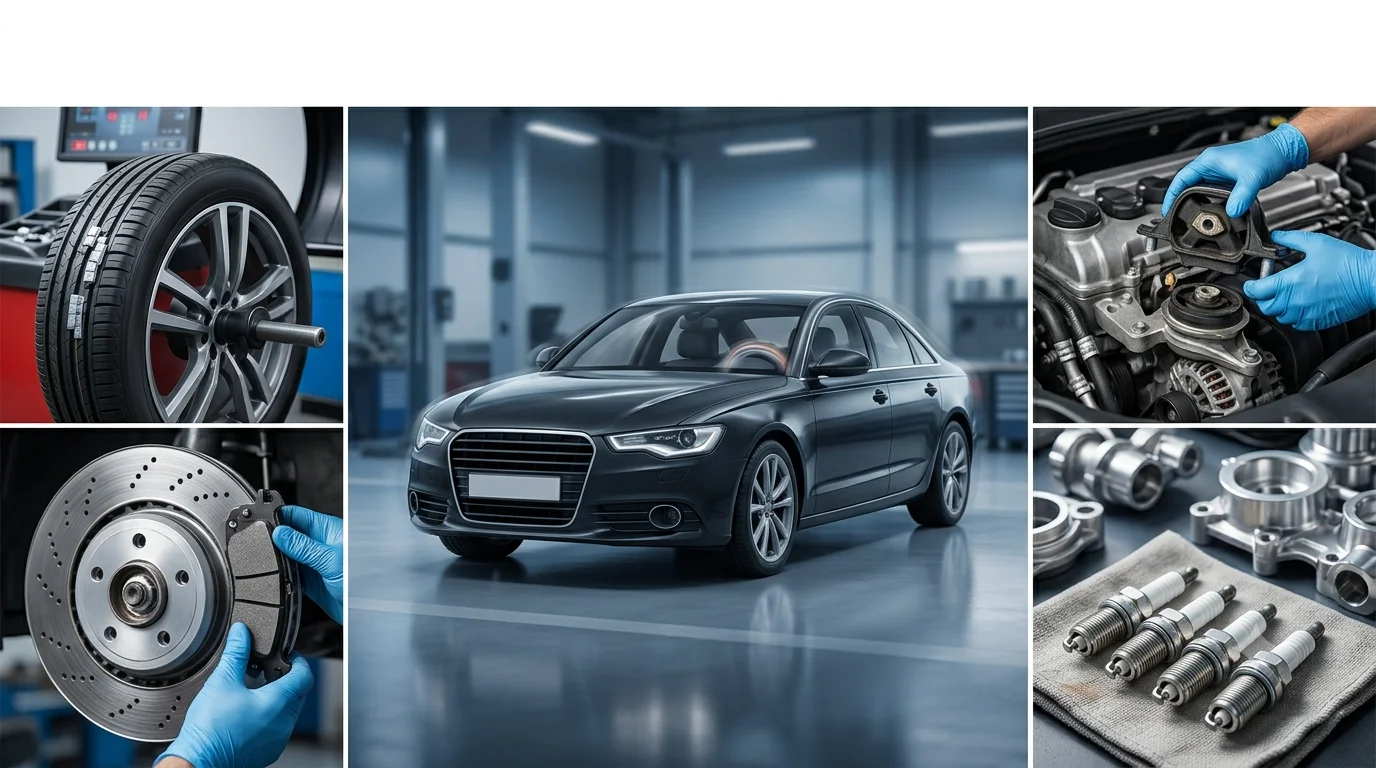
Over time, tires are subjected to shocks from potholes and bumps, and they may lose their wheel weights, leading to steering wheel vibration and poor vehicle stability.
The Solution:
Start by inspecting the tires and rebalancing them before thinking about replacing them. Often, the issue is simply related to the wheel weights—small parts that make a huge difference in driving comfort.
2. Worn Engine Mounts
If the car vibrates while idling, when starting the engine, or when shifting gears, the problem might be in the engine mounts.
These mounts secure the engine and absorb the vibrations generated by its operation. However, with prolonged use and exposure to heat, they can wear out, transferring vibrations clearly to the car's body.
The Solution:
Ask your technician to inspect the engine mounts and replace the damaged ones. These parts are available in various specifications to suit different vehicle types, alongside many other spare parts that repair shops constantly need.
3. Brake Discs or Pads
If the car vibrates only when braking, while driving perfectly normal at all other times, it is highly likely that the brake discs have lost their smoothness due to high temperatures or heavy use.
Worn-out brake pads can also lead to poor braking performance and noticeable vibrations when coming to a stop.
The Solution:
It is recommended to inspect the brake discs and pads and replace them if necessary. Brake kits are among the most in-demand products in the spare parts market due to their crucial role in driving safety.
4. Spark Plugs
The cause of your car shaking while idling or accelerating could be worn spark plugs.
When spark plugs become worn out or covered in carbon deposits, the fuel does not burn with the required efficiency. This leads to engine vibration, weak performance, and increased fuel consumption.
The Solution:
Replace the spark plugs according to the recommended maintenance schedule, and don't forget to check the air filters, oil filters, and engine oil, as all of these affect engine efficiency.
5. Worn Suspension and Steering Components
If the vibration increases when going over bumps or during turns, the cause might lie in one of the suspension or steering components, such as shock absorbers, struts, tie rods, or ball joints.
Neglecting these issues can lead to poor vehicle control and accelerated tire wear.
The Solution:
Conduct periodic inspections of the suspension system and replace damaged parts with high-quality components to ensure a safer and more stable drive.
Ensure You Use Reliable Spare Parts
Whether you own a repair shop or work in the spare parts trade, choosing the right products directly impacts repair quality and customer satisfaction.
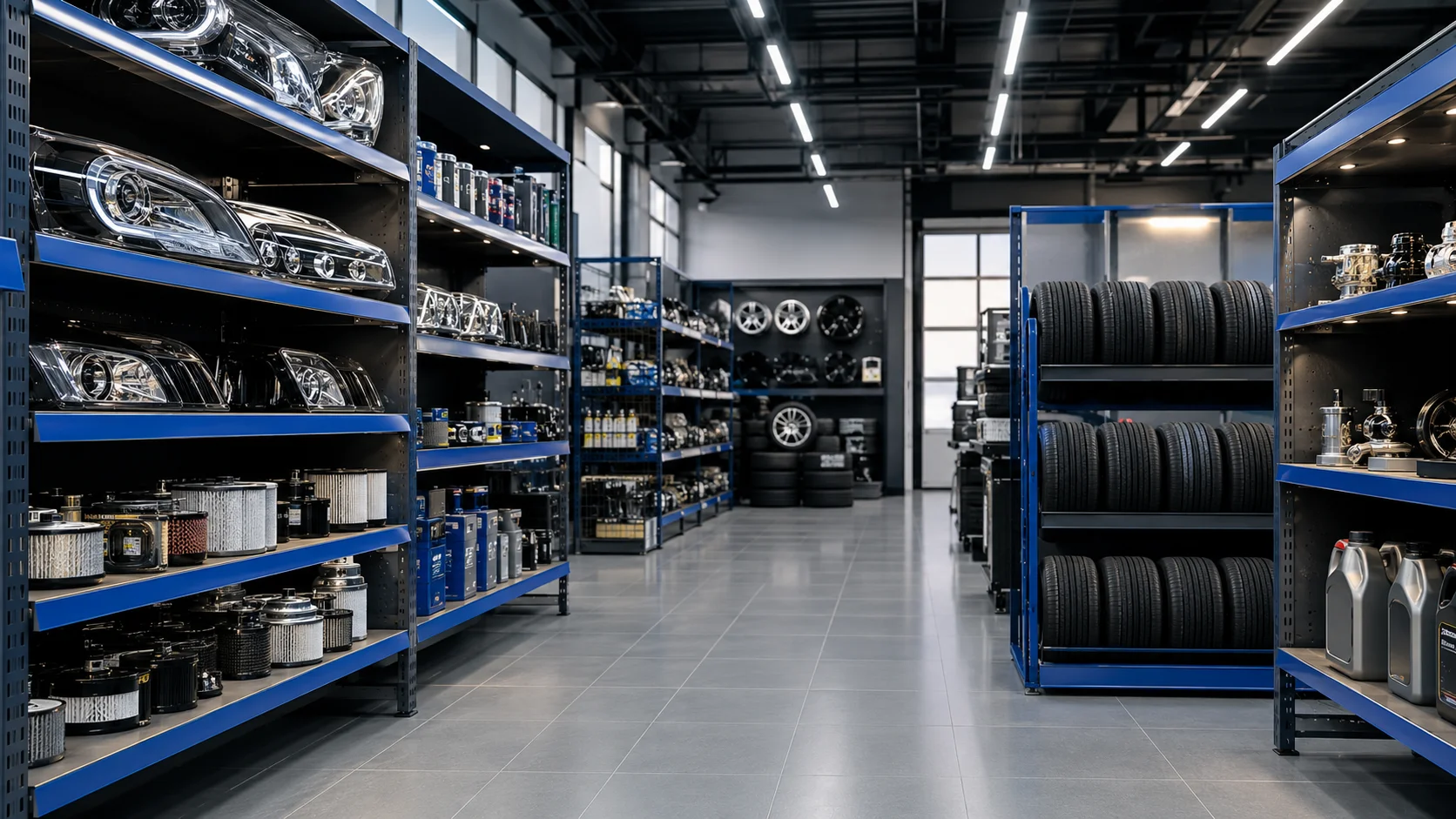
This is why many professionals rely on wholesale trading platforms that offer a wide range of products—such as brake pads and discs, engine mounts, spark plugs, air and oil filters, shock absorbers, suspension parts, batteries, engine oils, and accessories—making it easy to source diverse parts from various brands all in one place.
Conclusion
Car vibration does not always mean a major breakdown; it could simply be an indicator of a minor issue that can be fixed quickly if caught in time.
When you notice any abnormal shaking, do not delay the inspection. Early maintenance and the use of high-quality spare parts help reduce repair costs, extend the lifespan of your vehicle, and maintain the highest levels of safety on the road.