When Should You Replace Your Brake Pads and Brake Rotors? Warning Signs You Should Never Ignore
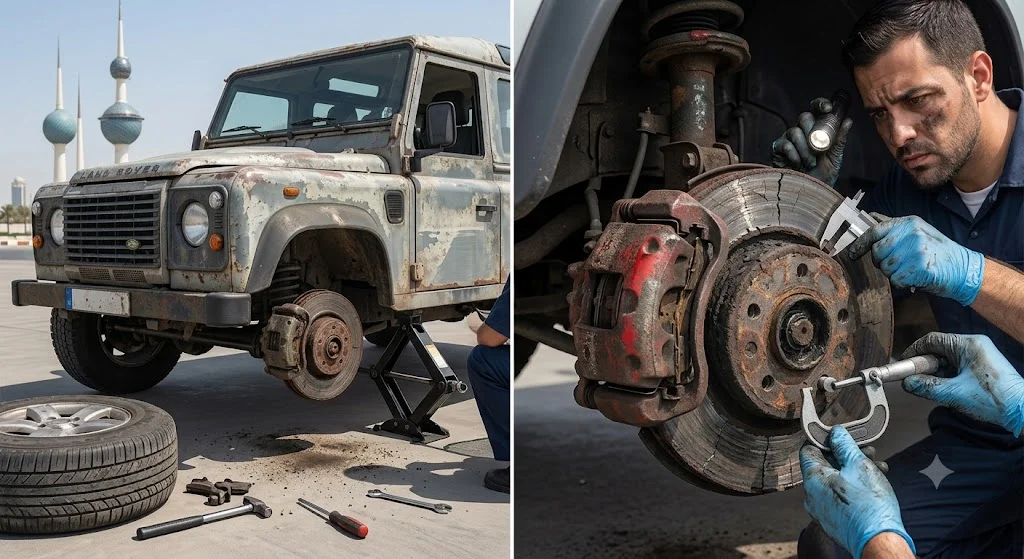
Whether you drive every day through Kuwait's busy streets or spend long hours on the highway, your braking system is one of the most important safety features in your vehicle. Yet many drivers ignore the early warning signs that their brake pads or brake rotors need replacing, only discovering the problem when repairs become more expensive.
In this guide, you'll learn how to recognize the most common brake pad and brake rotor warning signs, when they should be replaced, and how proper maintenance can help keep your vehicle safe and performing at its best on Kuwait's roads.
What Are Brake Pads and Brake Rotors?
A vehicle's braking system consists of several components that work together to slow down and stop the car safely. Two of the most important parts are:
Brake Pads: Friction materials that press against the brake rotors when you apply the brake pedal, creating the stopping force needed to slow or stop the vehicle.
Brake Rotors (Brake Discs): Metal discs attached to each wheel that work together with the brake pads to generate braking force.
Since these components experience constant friction during everyday driving, they naturally wear out over time and require regular inspection and replacement.
When Should You Replace Brake Pads?
There is no universal replacement interval because the lifespan of brake pads depends on several factors, including driving habits, road conditions, vehicle type, and the quality of the brake pads.
On average, brake pads typically last between 30,000 and 60,000 kilometers. However, frequent city driving, heavy traffic, and aggressive braking can significantly reduce their lifespan.
For the most accurate maintenance schedule, always follow your vehicle manufacturer's recommendations in the owner's manual.
When Should You Replace Brake Rotors?
Brake rotors generally last longer than brake pads and often require replacement between 60,000 and 120,000 kilometers, depending on driving conditions and maintenance.
In some cases, rotors can be resurfaced (machined) if they remain above the manufacturer's minimum thickness specification. However, if they are warped, cracked, heavily scored, or below the minimum thickness, they should be replaced to maintain safe braking performance.
Warning Signs That Your Brake Pads or Rotors Need Replacement
Ignoring early symptoms can compromise your vehicle's braking performance and safety. Watch for these common warning signs:
1. Squealing or Screeching Noise
A high-pitched squealing sound when braking is often the first indication that your brake pads are wearing out. Many brake pads include built-in wear indicators specifically designed to produce this warning sound.
2. Grinding Noise
A grinding or metallic scraping sound usually means the brake pad friction material has worn away completely, allowing metal-to-metal contact with the rotor. Continuing to drive in this condition can seriously damage the brake rotors.
3. Steering Wheel or Brake Pedal Vibration
If you feel vibrations while braking, the brake rotors may be warped or unevenly worn. This reduces braking efficiency and should be inspected promptly.
4. Longer Stopping Distance
If your vehicle takes noticeably longer to stop than usual, worn brake pads, damaged rotors, or other brake system issues may be the cause.
5. Vehicle Pulls to One Side While Braking
A vehicle that pulls left or right during braking may indicate uneven brake pad wear, a sticking brake caliper, or another braking system problem requiring professional inspection.
6. Brake Warning Light Illuminates
Many modern vehicles include brake wear sensors or dashboard warning lights. If a brake warning light appears, do not ignore it—have the braking system inspected as soon as possible.
Can You Replace Brake Pads Without Replacing Brake Rotors?
Yes. In many situations, only the brake pads need replacement, provided the brake rotors remain within the manufacturer's minimum thickness specifications and show no signs of significant damage.
However, if the rotors are excessively worn, deeply grooved, cracked, or warped, replacing both the brake pads and rotors together is recommended to ensure optimal braking performance and safety.
How to Extend the Life of Your Brake Pads and Rotors
Good driving habits can help maximize the lifespan of your braking system:
Avoid sudden or aggressive braking whenever possible.
Maintain a safe following distance to reduce unnecessary braking.
Avoid resting your foot on the brake pedal while driving.
Have your braking system inspected regularly during routine vehicle maintenance.
Always use high-quality or genuine replacement parts that meet your vehicle manufacturer's specifications.
Choosing Quality Brake Parts in Kuwait
When it's time to replace your brake pads or brake rotors, selecting reliable, high-quality components is essential for both safety and long-term performance.
B2B Kuwait offers a wide range of brake pads, brake rotors, and other essential braking system components for many vehicle makes and models. The platform also provides brake fluid and various maintenance products, making it easier for vehicle owners to find trusted replacement parts in one place.
Frequently Asked Questions
Can I continue driving if my brakes are squealing?
A squealing sound usually indicates that your brake pads are approaching the end of their service life. While the brakes may still function, it's best to have them inspected and replaced before further damage occurs.
Should brake pads and brake rotors always be replaced together?
Not necessarily. If the rotors remain within the manufacturer's specifications and are in good condition, only the brake pads may need replacement. Damaged or excessively worn rotors, however, should be replaced at the same time.
Does heavy traffic affect brake pad life?
Yes. Frequent stop-and-go driving, especially in heavy traffic, increases brake usage and typically causes brake pads to wear out faster than highway driving.
Conclusion
Your vehicle's braking system plays a critical role in keeping you and your passengers safe. Ignoring signs of worn brake pads or brake rotors can lead to reduced braking performance, higher repair costs, and increased safety risks.
By paying attention to early warning signs, following your vehicle's recommended maintenance schedule, and choosing high-quality replacement brake components, you can enjoy safer driving and maintain reliable braking performance for years to come—especially under Kuwait's demanding driving conditions.