How Does Kuwait's Heat and Humidity Affect Your Car Parts' Lifespan?
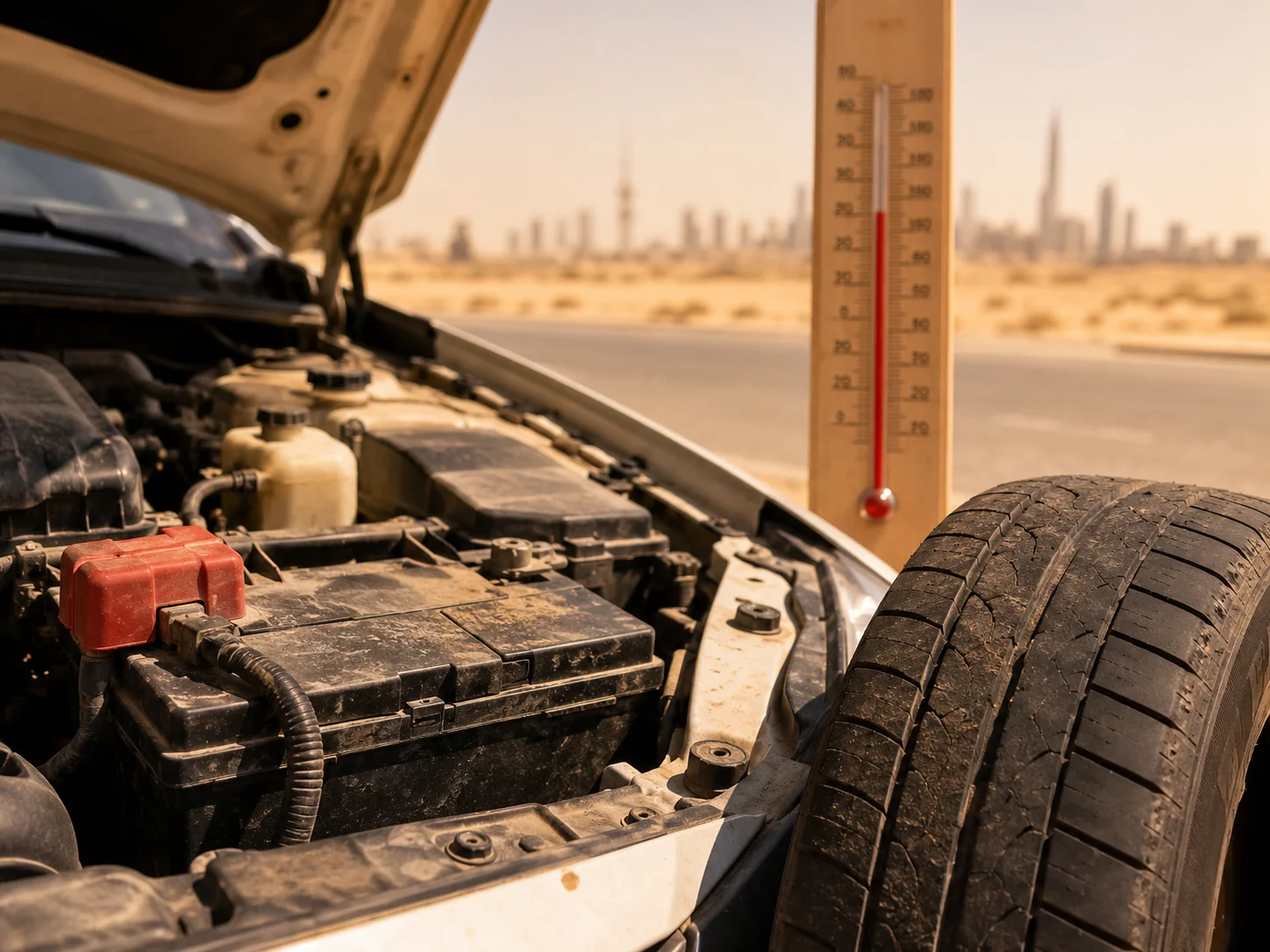
Summer in Kuwait isn't just about high temperatures; it also brings coastal humidity, dust, and prolonged sun exposure. Over time, these conditions can accelerate the wear of certain car components and shorten their expected lifespan.
So which parts are affected the most? And how can you protect them for as long as possible?
The Battery: Heat Speeds Up Its Deterioration
The car battery is one of the components most affected by heat. High temperatures accelerate the chemical reactions and internal corrosion inside lead-acid batteries, which can gradually reduce their ability to hold a charge and start the engine.
That's why it's recommended to regularly inspect the battery and its terminals, ensure it's properly secured, and check for any visible corrosion around the terminals.
When replacing a battery, don't rely on the brand name alone; choose the size, capacity, CCA, and specifications set by your car's manufacturer. Among the options currently available on B2B Auto is the Motorcraft 48-7 battery.
Engine Oil: Don't Choose Viscosity Based on Heat Alone
Heat and demanding driving conditions put extra strain on the engine and oil, especially with heavy traffic, frequent stop-and-go driving, and long idle running times.
However, this doesn't mean you should automatically switch to a thicker oil. The viscosity grade — such as 0W-20, 5W-30, or others — must match what your car manufacturer recommends.
Also, stick to the oil-change interval specified in your car's manual, and follow the severe service schedule if your manual classifies your driving conditions under that category.
Tires: Heat Makes Regular Checks Even More Important
As temperatures rise and the car is driven, the air pressure inside the tires naturally increases. That's why you should measure tire pressure while the tires are cold and set it according to the number on your car's tire placard or owner's manual — not the maximum pressure printed on the tire's sidewall.
Additionally, low tire pressure, worn tread, cracking, and tire age all increase the risk of damage when driving in hot conditions.
So check tire pressure regularly, inspect the sidewalls and tread, and don't rely on outward appearance alone to judge a tire's condition.
Humidity and Coastal Air: Corrosion Needs Attention
In coastal areas, humidity combined with airborne salt can contribute to faster corrosion of exposed metal parts over time.
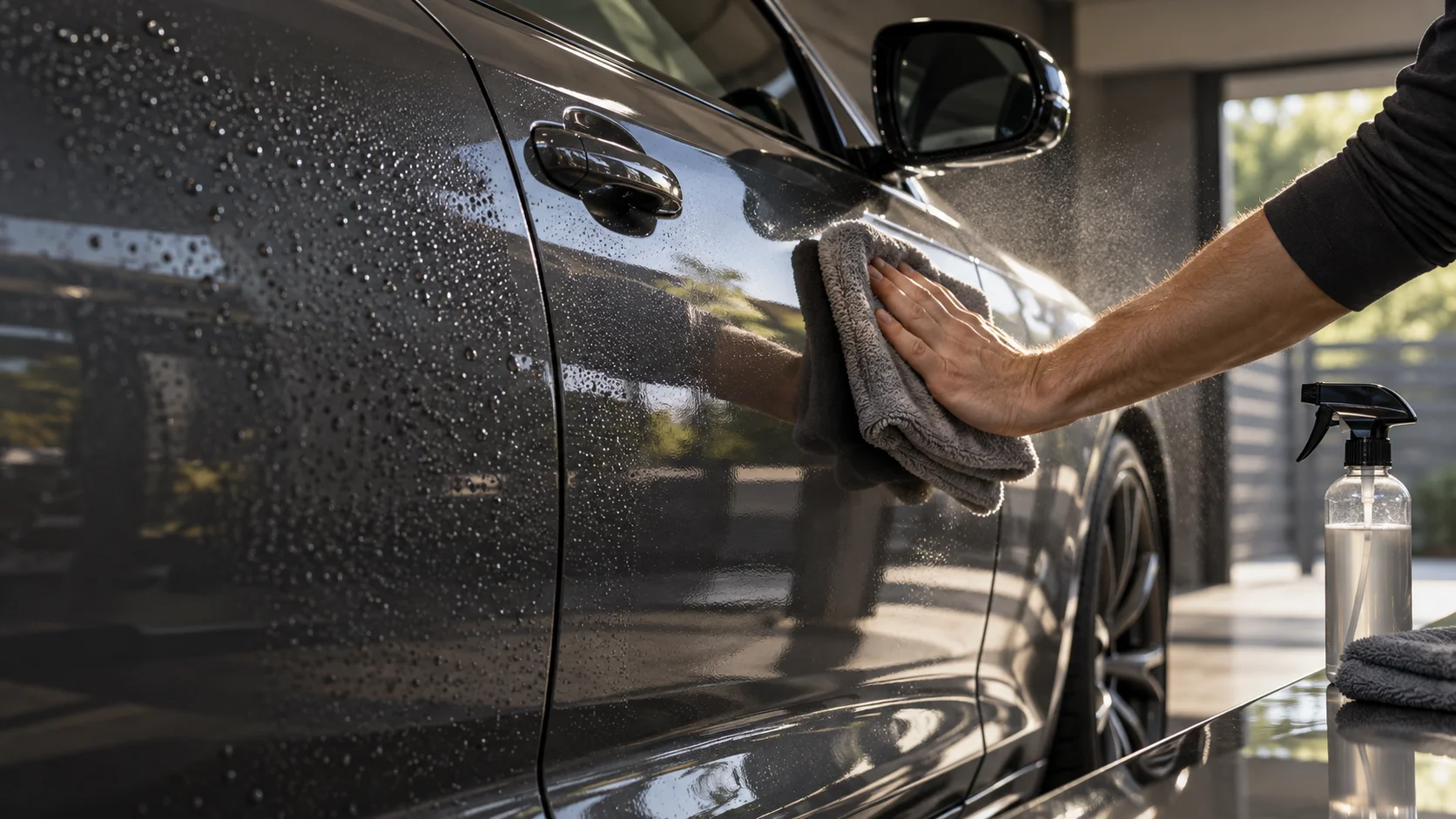
Washing your car regularly — paying attention to the undercarriage and areas where dust and salt tend to accumulate — helps reduce the buildup of corrosion-causing contaminants.
Wiper Blades and Rubber Parts: The Sun Shows No Mercy
Heat and prolonged sun exposure affect the flexibility of many rubber components, most notably wiper blades. As they wear out, they may start streaking the glass, making noise, or wiping unevenly.
Instead of sticking to a fixed replacement schedule, inspect them regularly and replace them as soon as signs of wear appear.
B2B Auto currently offers Denso wiper blades in several sizes, including 18, 22, 24, and 26 inches, so make sure to choose the size compatible with your car.
How to Reduce the Impact of Kuwait's Heat on Your Car
Check tire pressure while cold on a regular basis.
Monitor the condition of the battery and its terminals, especially before the summer months.
Check the level of the coolant recommended for your car, not plain water as a permanent substitute.
Stick to the engine oil type and change interval specified in your car's manual.
Park in the shade or a covered area whenever possible.
Inspect wiper blades, hoses, and other rubber components for cracking or hardening.
If the engine temperature rises abnormally, turn off the A/C and find a safe place to stop instead of continuing to drive.
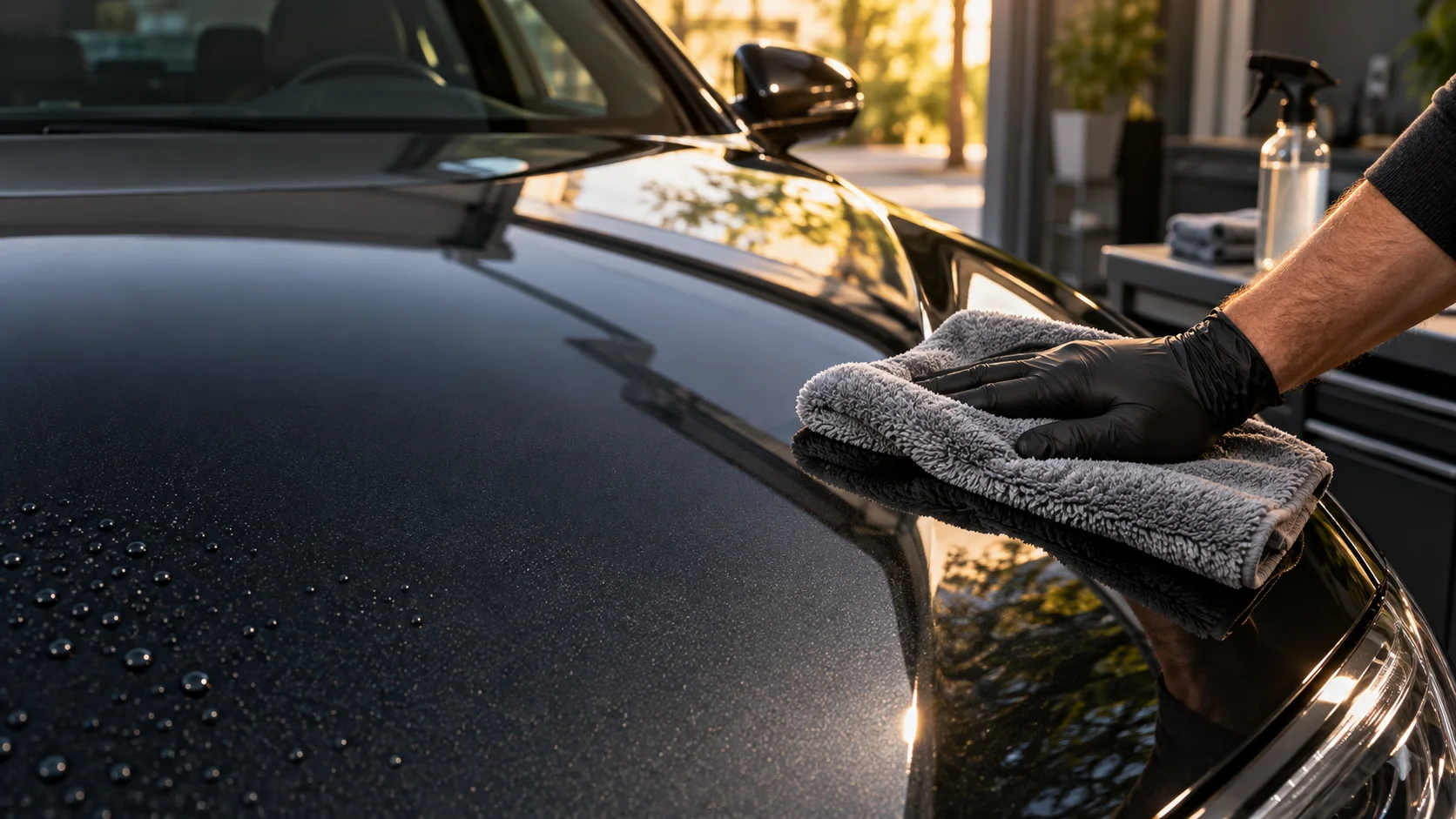
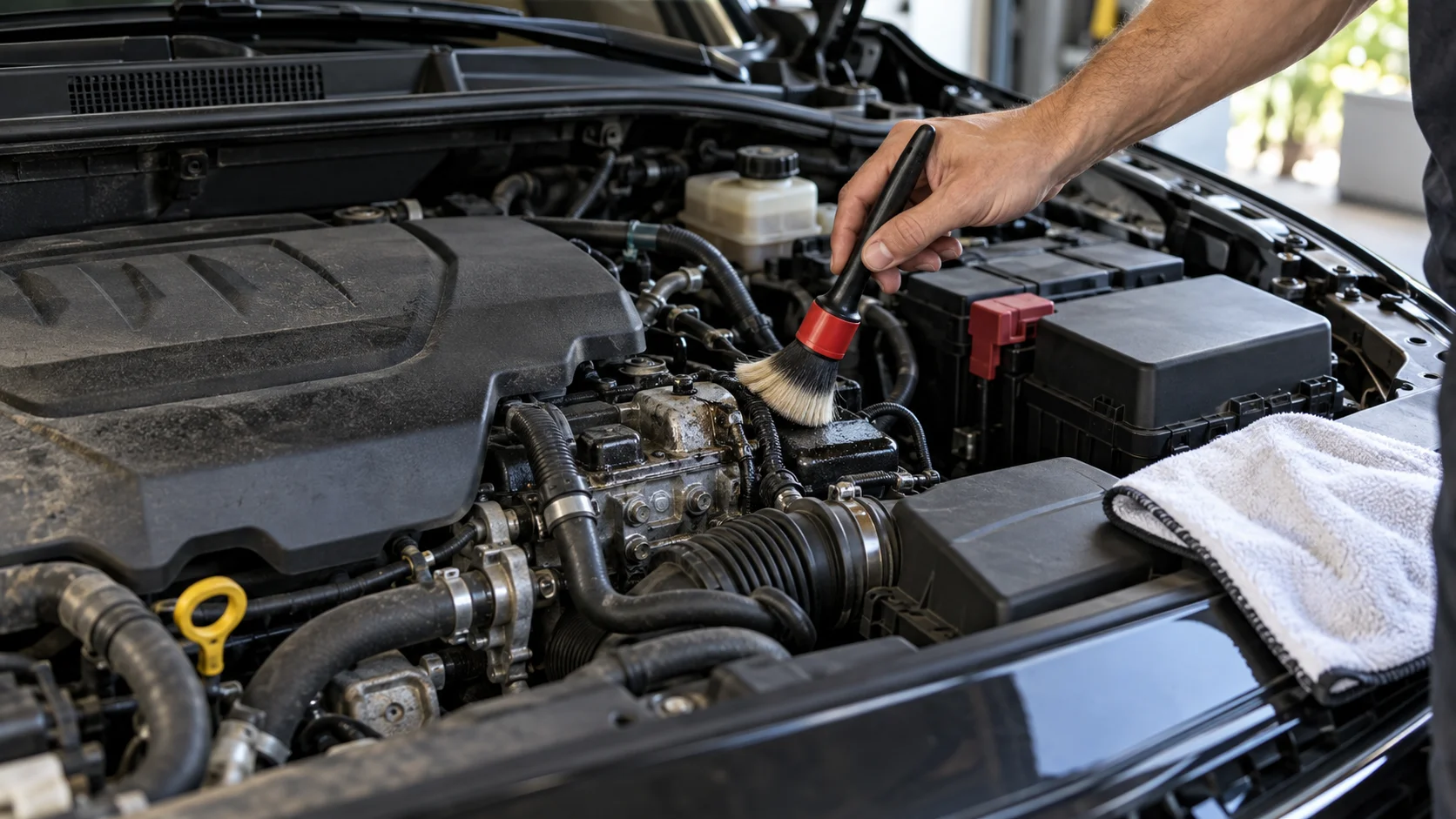
Consider using care and protection products such as the GYEON range to help maintain and clean your car's exterior and interior surfaces regularly.
Conclusion
Kuwait's heat and humidity can accelerate the wear of certain car parts, but preventive maintenance and regular inspection greatly reduce the chances of sudden breakdowns.
The golden rule remains the same: don't change oil, battery, or tire specifications based on the weather alone; your car manufacturer's manual is always the primary reference.