Car Maintenance Schedule in Kuwait: Which Parts Should You Check, and When?
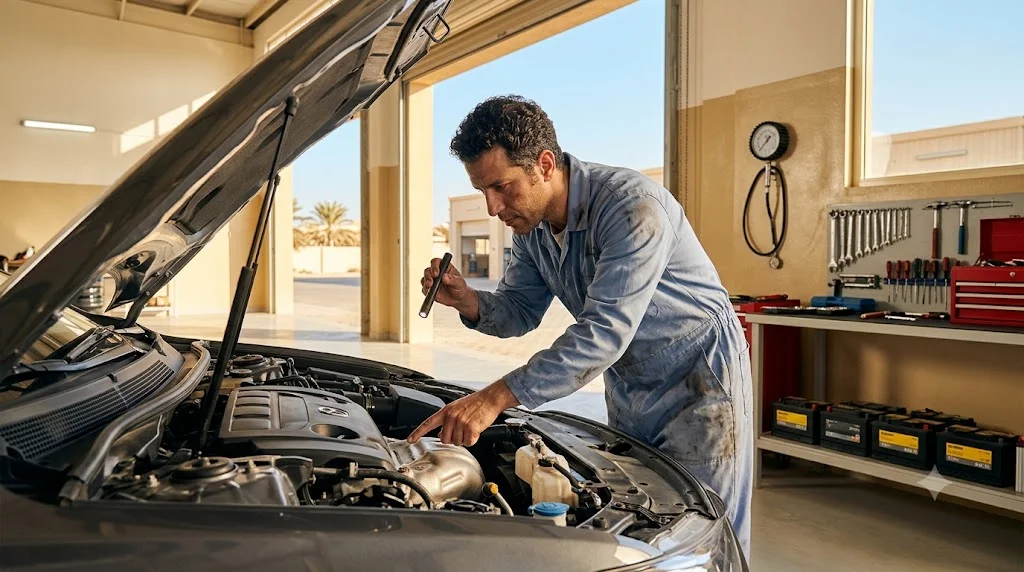
In Kuwait's climate, your car is exposed to high temperatures, dust, traffic congestion, and frequent stop-and-go driving — conditions that can put extra strain on the engine, battery, tires, and air conditioning system. Because of this, don't wait for a strange noise or a warning light on the dashboard before starting maintenance.
While maintenance intervals vary depending on the type of car, model year, mileage, and driving habits, the schedule below gives you a practical overview to help keep your car in good condition. Still, the owner's manual and the manufacturer's schedule remain the primary reference for your vehicle.
Quick Monthly Check: Takes Only a Few Minutes
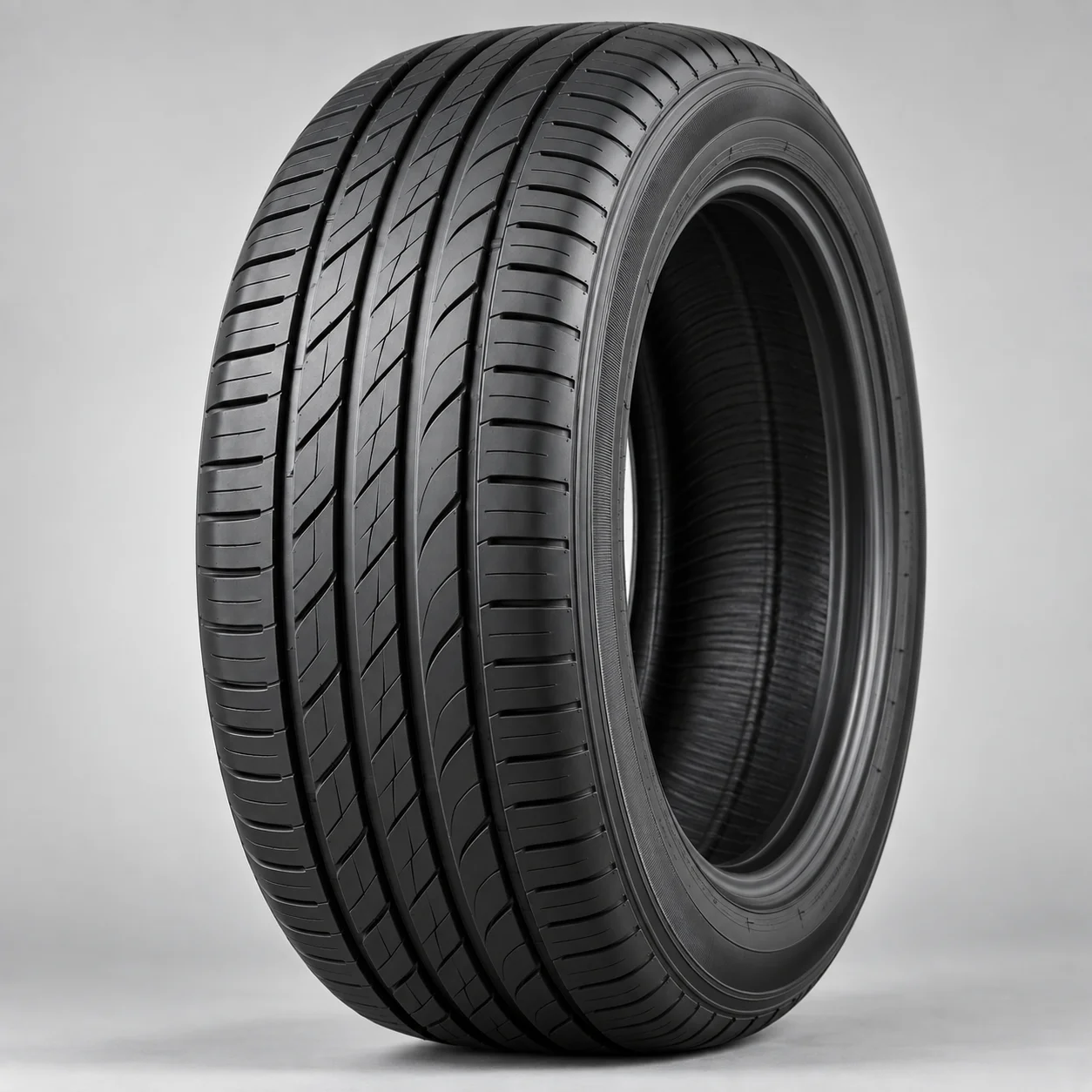
Start by checking tire pressure once a month while the tires are cold, and don't forget the spare tire. Use the pressure listed on the driver's door sticker or in the car manual, not the maximum figure printed on the tire's sidewall. Also inspect the tread, and look for any cracks, bulges, or uneven wear. The U.S. National Highway Traffic Safety Administration recommends checking tire pressure and tread monthly, along with rotating tires according to the manufacturer's instructions.
Also check engine oil level, coolant, and windshield washer fluid, and watch for any leaks underneath the car. Test the lights, turn signals, and wipers, and make sure there's no sign of corrosion or buildup around the battery terminals.
Every 5,000 to 10,000 Kilometers, or as Specified in the Car Manual
Engine oil and oil filter replacement tops the list of routine maintenance. There's no single number that fits all cars; the right interval depends on the type of oil, the engine, and driving conditions. Driving in extreme heat, dust, on short trips, or in frequent traffic may call for shorter intervals than normal driving would, so stick to the specification and schedule listed in your car's manual or oil-life monitoring system.
At the same interval, it's best to rotate the tires if the car's design allows it, and check wheel balance and alignment if you notice steering vibration, the car pulling to one side, or uneven tire wear. Keep in mind that some cars with different front and rear tire sizes may not allow rotation in the usual way.
Every 10,000 to 20,000 Kilometers
Check the engine air filter and the cabin (AC) filter. In Kuwait's dusty environment, these can get dirty faster than usual, so don't rely on mileage alone. Weak AC airflow, odors, or dust buildup are signs that call for inspection and replacement if needed.
You should also check the brake pads and rotors, especially if you hear squealing or grinding, feel vibration when braking, or notice a longer stopping distance. Don't wait until the grinding sound becomes obvious, since continuing to drive can turn a simple pad replacement into a more expensive repair involving the rotors as well.
Before Summer Begins
Before the heat intensifies, check AC performance, battery condition, and the engine cooling system. Weak cooling doesn't always mean low refrigerant; it could be caused by a clogged filter, a leak, or a problem with the fan or compressor, so the root cause should be diagnosed before adding refrigerant.
As for the battery, heat accelerates its deterioration, and its typical lifespan in hot regions may be around three years, though this varies depending on quality and usage. It's therefore recommended to have the battery and charging system tested annually after the first two years, or as soon as you notice slow engine cranking or dim lighting.
Fluids and Belts: Don't Rely on a One-Size-Fits-All Schedule
Replacement intervals for brake fluid, engine coolant, transmission fluid, belts, and spark plugs vary significantly between cars. Check fluid levels and condition regularly, but never mix coolant or transmission fluid types, and never use a product just because the color looks similar. The fluid must exactly match the manufacturer's specification. Car manuals list checking engine oil, brake fluid, coolant, and the battery among the essential maintenance items.
Don't Forget Emergency Essentials
Good maintenance reduces breakdowns, but it doesn't prevent every surprise. Keep a pressure gauge, a tire inflator, a reflective warning triangle, and a first aid kit in the car. B2B Auto also offers practical products such as the GT Car Care GT15 tire sealant and inflator spray, 450 ml, for temporary use in certain puncture situations, along with a first aid kit and a set of reflective warning triangles. Tire sealant spray remains a temporary emergency fix, not a substitute for having the tire inspected and repaired by a specialist.
In Summary
The best maintenance schedule is one that combines the car manual, regular inspection, and attention to any change in performance. Keep a record of maintenance dates and mileage, and don't ignore brake noises, overheating, steering vibration, or warning lights. Catching problems early is usually cheaper and safer than waiting for a breakdown.